Playfulness

Adulting is hard, I’ve yet to meet someone who doesn’t still feel like a child in some way.

Allowing ourselves to play, to be without reason, to be frivolous, to dance, dress up, to sing out of tune, to pretend, to inhabit a character, to create spaces for ourselves where the rules of engagement are different, permissive, free, spontaneous…

This is how we manage the burden of the adult. Play spaces are essential for our mental health but also for our enjoyment of life itself. Play, if you can let it, will ignite your passions and fire your engines for the work of the adult world.

And if you can practise play, you might find it creeping into your everyday life, work, relationships – making everything that much more doable, or perhaps even enjoyable!

Psychedelics and Therapy

Many people are using psychedelics without the right preparation or guidance. Integration of these experiences is crucial to helping the individual make changes and gain insights that affect their daily life and have a lasting effect (Amada, N., & Shane, J.,2022). From the aforementioned study:

Results indicated that perceived benefits to narrative self-functioning is one pathway through which integration of psychedelic experience may promote optimal well-being for both clinical and non-clinical populations.1

 From a harm reduction perspective, using substances like MDMA or psilocybin can be carefully and non-judgementally thought about and discussed with your therapist. This includes looking at minimising the possible risks and maximising the potential benefits, understanding the role of set and setting as well as working with intentions. Managing expectations is another key aspect of harm reduction, as well as discussing aspects of safety and consent. (Gorman et al, 20212).

If an individual is committed to undertaking a psychedelic experience, or has already had one, therapy that incorporates elements of preparation and integration can be valuable, always minimising risks and enhancing potential benefit in service of personal growth.

Various preparation and integration techniques may be offered in therapy, including non-verbal, arts-based approaches, journaling, mindfulness or movement practices and time spent in nature. 

Preparation sessions consist of establishing a trusting relationship with the therapist, getting to know the pieces of the individual’s puzzle, installing practices that lead to a safer psychedelic experience. Gorman et al state “…preparation for a psychedelic experience is guided by a patient’s reasons for using a psychedelic. The therapist must inquire about the nature of the patient’s motivations.” In my experience, many people find enough value in these preparation sessions so as not to consume a psychedelic, but to rather continue with the therapeutic work. 

Integration sessions offer a space for meaning-making and drawing out whatever value and insights can be learned from the psychedelic experience. According to Gorman et al,

“Psychedelic integration is a process in which the patient integrates the insights of their experience into their life, and Psychedelic Harm reduction and Integration is a method of supporting that in the clinical consultation room3.”

Furthermore, PRATI (Psychedelic Training and Research Institute) states that

“Integration provides a space for clients to gain clarity, perspective, and wisdom from their medicine sessions… can help people to understand, contextualize, and make use of their experience in a meaningful and lasting way.”4

Essentially, the approach to working with psychedelics is one of harm reduction – reducing the negative possibilities and optimising positive ones, all in the service of improving the client’s quality of life and keeping them safe and healthy. It is non-judgemental by nature and does not encourage nor discourage the individual, who has the agency to make their own choices.

To find out more contact Melissa.

References

  1. Amada, N., & Shane, J. (2022). Self-Actualization and the Integration of Psychedelic Experience: The Mediating Role of Perceived Benefits to Narrative Self-Functioning. Journal of Humanistic Psychology0(0). https://doi.org/10.1177/00221678221099680 ↩︎ ↩︎
  2. Gorman I, Nielson EM, Molinar A, Cassidy K, Sabbagh J. Psychedelic Harm Reduction and Integration: A Transtheoretical Model for Clinical Practice. Front Psychol. 2021 Mar 15;12:645246. doi: 10.3389/fpsyg.2021.645246. PMID: 33796055; PMCID: PMC8008322. ↩︎
  3. Gorman I, Nielson EM, Molinar A, Cassidy K, Sabbagh J. Psychedelic Harm Reduction and Integration: A Transtheoretical Model for Clinical Practice. Front Psychol. 2021 Mar 15;12:645246. doi: 10.3389/fpsyg.2021.645246. PMID: 33796055; PMCID: PMC8008322 ↩︎
  4. https://pratigroup.org/psychedelic-therapy/methods-and-approaches-for-psychedelic-therapy-integration/ ↩︎

Not all people respond to the same thing

I am an integrative therapist, using various trainings and life experiences that underpin how I hold a non-power dynamic, authentic relationship with my clients.

I draw deeply from parts work, a Jungian approach, as well as Joseph Campbell’s Hero’s Journey. I would lean toward the mystery that is you unfolding or Coming Home To Self. I also work with polyvagal approaches to help re-pattern old stories, roles, ways of thinking and

This is not a traditional talk therapy offering. With my learnings in music therapy and arts therapy, trauma-informed yoga therapy, I incorporate a many different aspects into my work in order for it to suit your individual needs. Some might call this an alternative therapy, but if you do not fit the mould for classic psychotherapy, then it is not so alternative after all.

Using various ways of working and training, I can assist with depression, anxiety and trauma, amongst other issues that may be on your mind.

No matter the issue, the call to adventure begins when you accept that something needs to shift. I offer myself as a guide, a sparring-partner, a therapist, but ultimately, a human.

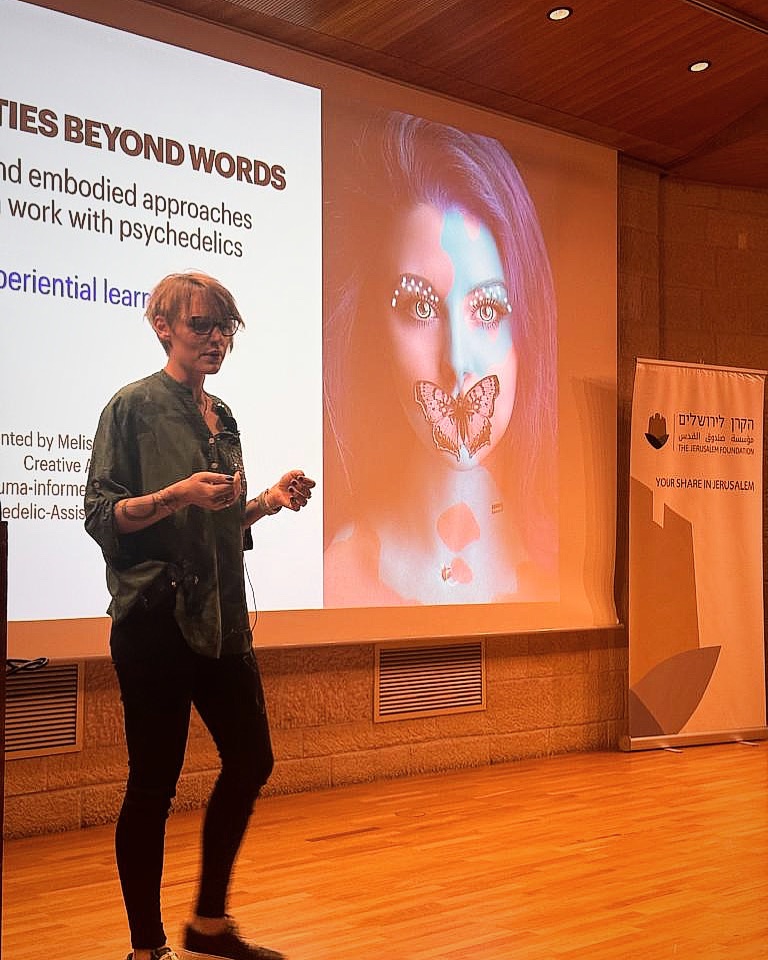
Possibilities Beyond Words

I write this post as I make my way back from Israel, having been a guest speaker and part of a facilitation team that offered training in psychedelic-assisted therapy for trauma survivors.

The trainees and trainers have left an in indelible mark on my heart, as the nature of the training was incredibly inclusive, intimate and rich.

My topic was ‘Possibilities Beyond Words: creative and embodied approaches to trauma work with psychedelics.’ I feel privileged to have been given the opportunity to travel to Israel and speak about what I am most passionate about.

When someone survives an event that is truly traumatising, it often leaves them without words, speechless, unable to articulate their traumatic experience or to describe their inner world of emotions and sensations. This is when non-verbal , creative or embodied approaches are so beneficial.

Through working this way, we as therapists can offer our clients opportunities to express themselves without words, to be heard without speaking and to come to understand themselves and their trauma responses better. Ultimately, we can afford our clients hope when previously there was none.

To find out more, please feel free to contact info@melissamcwalter.co.za or to WhatsApp 0834129768.

Small trauma-informed yoga groups: spaces available

Hi everyone 🙂

Because there has been such a keen interest in my trauma-informed yoga (TIY) classes, both individual and group, I am opening another small TIY group. The group is almost full, if you would like to reserve a place, please contact me directly.

The group will only facilitate a maximum of four people. Location is 3 Belsay Road, Kenilworth.

If the group is full by the time you contact me, I will waitlist you for the next group which should be opening soon.

Please note that because of the sensitive nature of this work, anyone joining a TIY group must have 1-3 individual assessment sessions with me first. Individual sessions can continue until the person is ready to join the group.

There are no strength, flexibility or fitness requirements. The classes are at your own pace. The TIY groups can be seen as a body-based version of group talk therapy. While we do not spend much – or any – time talking, we are learning to be with one another, to synchronise with our own bodies and the bodies of others, and to eventually feel more supported and calm in the presence of others. All this while exploring important aspects of ourselves in and through our bodies.

Cost:

Individual session: R790, hour long.

Group session: R350, hour long. (Group sessions can be discounted if paid upfront for the month. The cost for a month is R1000, one class per week, if paid upfront. However, I encourage each person to try a few classes until they feel ready to commit to the monthly payment.)

Contact by clicking here or Whatsapp 0834129768

Tips for a Happy Holiday: Bipolar Christmas Planning

bipolar christmas coping strategies

Christmas is a difficult time for many people. There are financial obligations, family obligation and often many end-of year events that lead up toward Christmas, increasing the feeling of time-pressure and burnout that may already be present.

One of the reasons Christmas time is particularly difficult for individuals with bipolar disorder or depression is the lack of structure that permeates holidays. For those with bipolar disorder, having a predictable structure, a routine, and goal-oriented tasks are known to be extremely helpful for stabilising moods and preventing relapses or spiralling out of control. When the usual work/school structure falls away and no preparations have been made for the holidays and how one will cope, symptoms such as depression, mania, high levels of anxiety and even suicidality can crop up.

Because structure is important for your mental-wellbeing, it is a good idea to begin planning your routine for the holidays now, before the open, lazy days are upon you. I suggest you make a calendar (or update your calendar) based on the following suggestions and the coping strategies you already use. Here are some questions to get you thinking about possible ways forward:

  1. Is there a project you have been putting off that you can dedicate some time to each day? Schedule time to work on it into your calendar. This may be 2 hours daily, 30 minutes daily, or even 60 minutes every second or third day. Decide what you want to commit to and ensure that you have a regular entry for this activity in your calendar.
  2. Are there Christmas gifts or cards that you can make instead of buy – saving you money and providing you with a meaningful activity at the same time?
  3. Is there a friend or relative (or more than one) who you can meet with regularly, perhaps weekly for coffee or a walk, and schedule that meeting into your calendar? Alternatively, can you set up some meeting dates for during the holidays with various individuals?
  4. Can you ensure that your exercise routine remains relatively structured despite the ambiguity of holiday days? (If you don’t have an exercise routine, now would be a good time to put one into practice. Begin with a walk every day – or as often as possible – if you are starting from scratch.) We know exercise has strong mood benefits and it is obviously also great for keeping in shape and general physical health. If you are taking a break from exercise for a while in the holidays, I encourage you to continue with a light form of exercise like walking in order to still gain the mood benefits.
  5. Can you use social media and TV watching in an intentional manner: for example, as a reward for engaging in structured and meaningful activities, instead of opting for TV or Facebook in long, unregulated sessions? Too much social media is linked to depression and screen time easily sucks real time away. Because of this, one’s daily structure is disrupted and feelings associated with depression may emerge. This is true for most people, but those with bipolar disorder should be extra-aware of their screen time.
  6. Are there decisions you need to make about Christmas itself – which events you will go to, which you won’t, which you’ll host, which you won’t? If you feel you need to avoid certain shops/malls (or even people!) on certain days (such as busy Christmas Eve), make note of that now and schedule accordingly.
  7. Are you able to ensure that you have an exit strategy (such as taking your own car) for events that you are anxious about or hesitant to attend?
  8. Can you plan some ‘me-time’ activities, scheduling in a few things that you really enjoy and that feed your soul? Ensure it is scheduled in your calendar because these are easily the first things to fall away when demands compete; if you have kids, can you find someone to help you by looking after them during the scheduled ‘me-time’? Fit your activity to your pocket: a walk on the beach is free!
  9. Can you try keep to a regular sleep schedule, as much as is possible? This regularity is extremely helpful for maintaining a stable mood and sleep itself is revitalising and regenerating during times of wellness and ill health.
  10. Can you avoid over-indulging with alcohol? Too much alcohol consumption will certainly affect the mood negatively and if coupled with lack of sleep and lack of structure, the outcome may be damaging.
  11. Can you keep a journal, with as much or little detail as you like, in order to help track your thoughts, feelings, sleeping habits (monitoring that you are not losing sleep significantly) and general mood? This is also very helpful in the long-run, as you can reflect on your writings in the future and realise coping strategies, helpful activities or even triggers that you were not initially aware of.

I encourage you to begin working on a schedule that takes these questions into consideration. The holidays can be a happy, relaxing time but may need some extra thought and planning for those with bipolar disorder.

For more bipolar support, book a session by clicking here.

Let Creativity Work For You – Building teams and gaining perspective with art and music

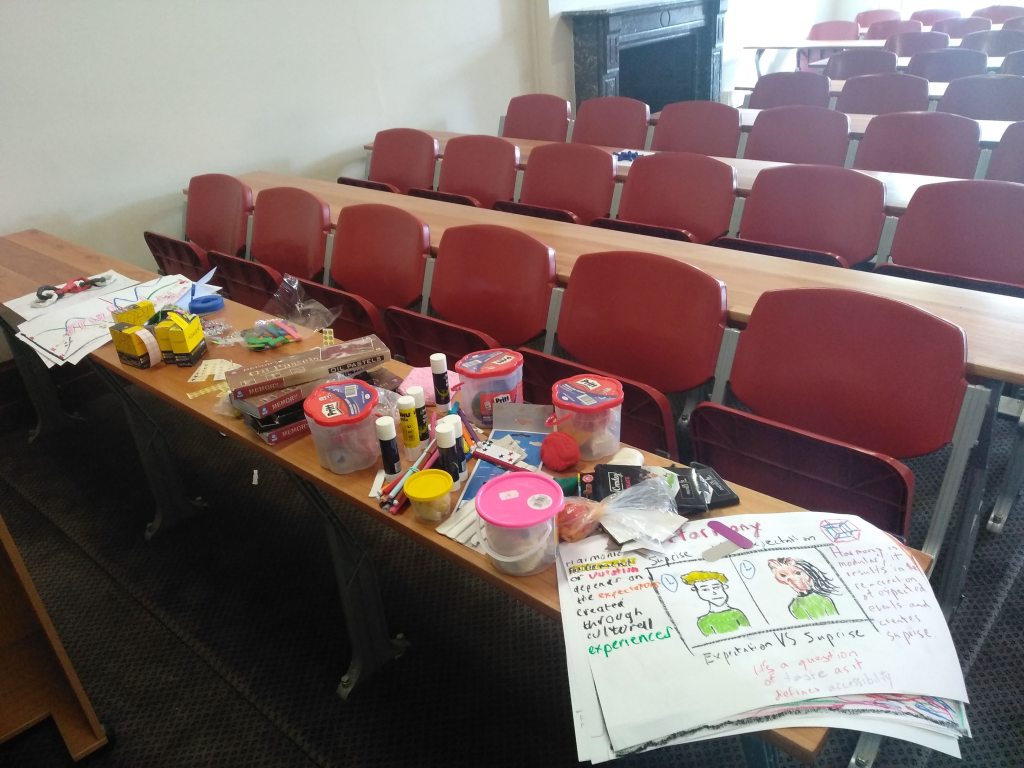
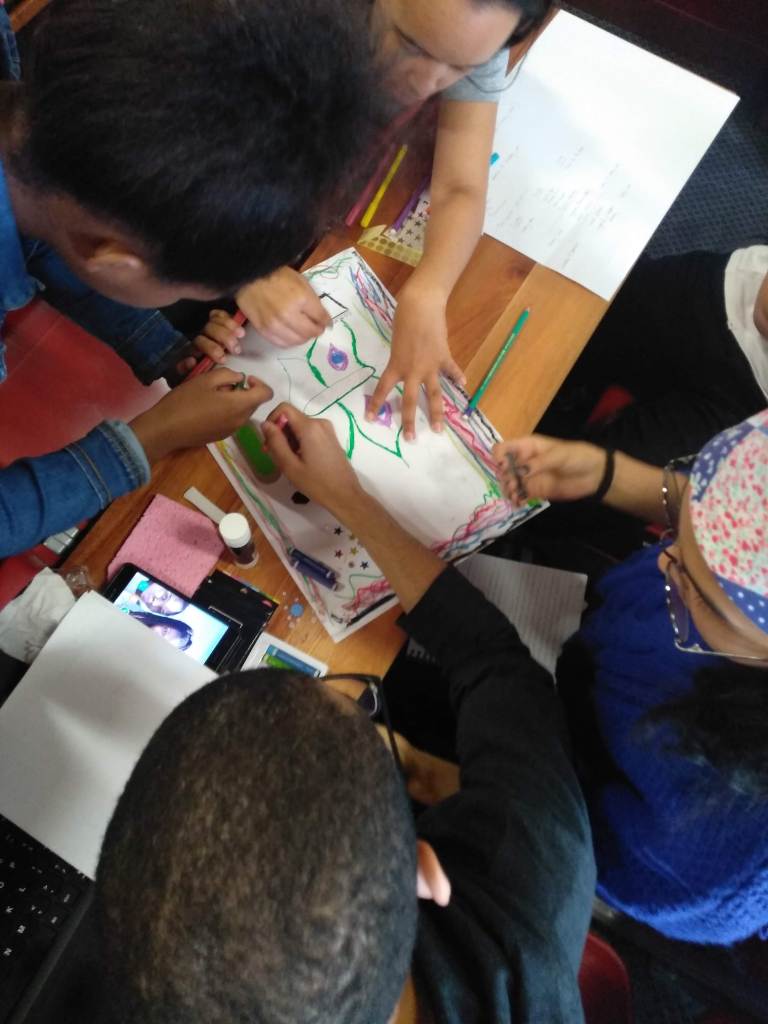
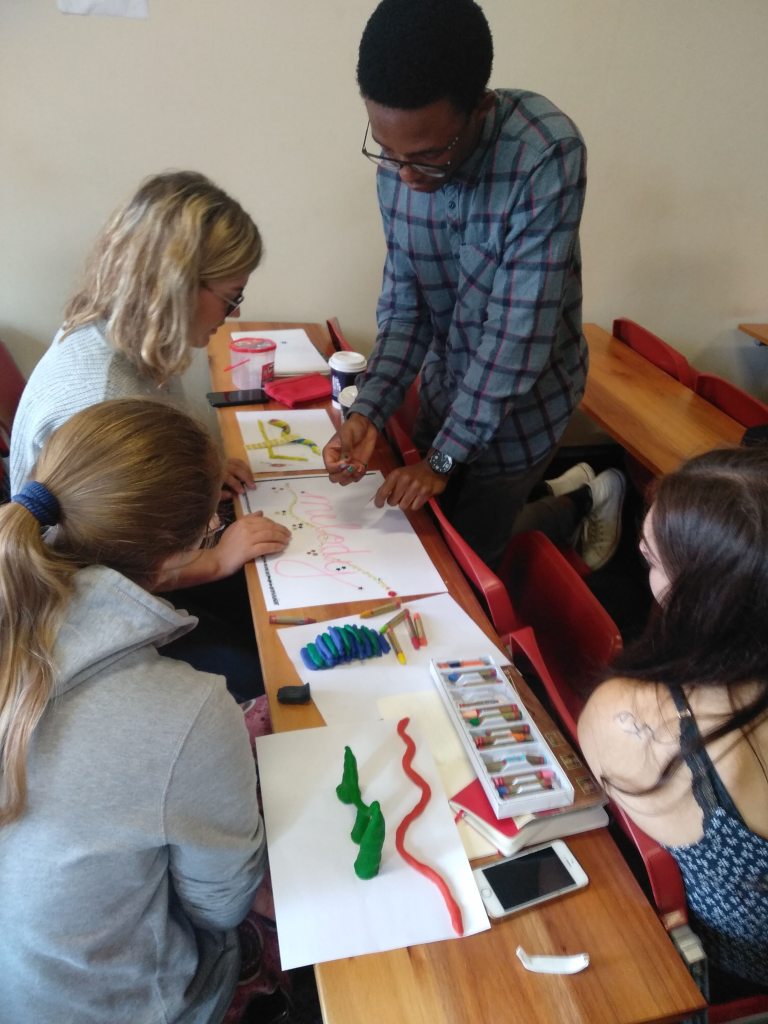
I have facilitated creative processes drawing on music therapy, arts-based learning and experiential learning at corporates, schools, universities and NGO’s in Cape Town. While these workshops/sessions fulfil different purposes depending on the client, they are playful, creative, non-invasive and ultimately offer new or different perspectives and insights.

The workshops are most often used for team-building, personal development and conflict management. However, more bespoke or tailored options are available too, such as a workshop for women in leadership or self-care workshops for employees.

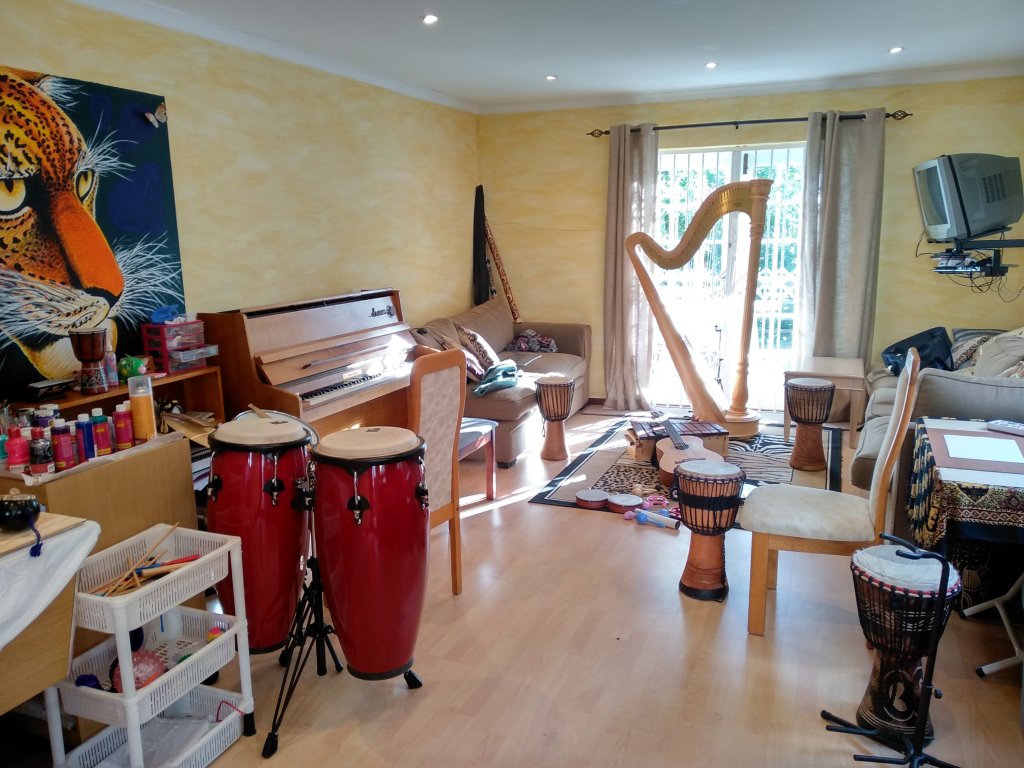
The sessions are unique, drawing from my own interest and expertise in a variety of therapeutic, creative and healing modalities, including music therapy, as listed on the home page. Sessions will usually include a number of elements, including (for example) sensitively facilitated active music making, such as djembe drumming, as well as music listening and relaxation and also art-based processes that may include pastel, paint or collage work. These creative modalities offer employees, executives or students different ways of relating to one another and different ways of thinking about problems. The Full Circle is a creative space, offering enjoyment, insight and relationship.

To enquire about a group workshop at a company, NGO, school or university, click here.

What is Music Therapy?

Music is a profoundly powerful tool for connecting us to one another, to our emotions and to a sense of meaning. Qualified music therapists operate across the globe, including the tip of Africa, Cape Town.

Music therapy is the clinical use of music interventions and music experiences to achieve therapeutic goals, promote health and realise potentials. Music therapy is focused on the process of music experiences and the relationships developed through them.  Despite the name, musical training is not required; this is because all human beings respond to basic elements of music. Music therapy can provide opportunities for communication when words are insufficient and it can assist in releasing and exploring emotions. Like other therapists, music therapists encourage, provide support for and offer guidance to their clients.

Music therapists are allied health care professionals registered with the HPCSA. Music therapists in South Africa hold a Masters degree in Music Therapy and have completed at minimum 1000 hours of supervised clinical internships at various placement sites. Music therapy techniques are highly adaptable and are suitable for use with a wide variety of clients including adults, teenagers, the elderly, children and even antenatal or end-of-life care.

What can a client expect to do in music therapy?

  • Music improvisation, using instruments and/or voice
  • Drumming
  • Music listening
  • Therapeutic singing
  • Songwriting
  • Verbal processing and reflection
  • Movement to music
  • Reminiscence-based music experiences
  • Guided Imagery and Music/music visualisation experiences
  • Creative Processes involving music (including drawing, clay and painting)

Book an appointment with Melissa Ellse (MMus, Music Therapy) by clicking here.

img_20180828_163346_hdr260060131051446136.jpg

What I Love About Music Therapy

Music Therapy Boy and Guitar

One of the great things about music therapy is that everyone, absolutely everyone, can respond to music. What I love about using music as a therapeutic tool is that it allows people to connect, communicate and discover meaning outside of the framework of words. I strongly believe that music can be a powerful tool for healing and self-discovery. I have been witness to this in my own life and the lives of many others and I am excited to see how the research is demonstrating the effectiveness of the clinical use of music within the healing professions.

While I enjoy working with clients from a variety of backgrounds and age groups, I feel particularly strongly about advocating for those who are marginalised by the mental health care system and/or the experience of stigma as well as providing opportunities for personal growth for individuals who may respond better to non-verbal or creative therapies, such as music therapy.

Music therapy naturally has a profound advantage in providing connection to clients with mild and severe disabilities as well as to clients all along the autism spectrum. Such individuals are often overlooked for traditional talk therapies and the opportunities for personal growth that come with them. Music therapy offers alternative and accessible experiences that promote reciprocal communication, development of communication skills, expanding range of expression and even expanding range of movement while nurturing the individual’s potential and musicality.

Music therapy is a burgeoning profession that is internationally recognised. In South Africa we abide by the highest ethical and professional standards of our professional association (SAMTA – South African Music Therapists’ Association) as well as the HPCSA (Health Professions Council of South Africa). While many people in Cape Town or Johannesburg may not have heard of music therapy, or met a music therapist, we are a small (yet growing) group of clinicians who are working in your schools, your hospitals and your clinics with children, teens, adults, the elderly and even new-borns.

38204344_1833578016724375_7769933706361307136_o (1)

Melissa Ellse, registered music therapist, completed a Bachelor of Music (University of Cape Town) followed by a Masters in Music Therapy (cum laude, University of Pretoria). She is registered with the Health Professions Council of South Africa (HPCSA reg no AT 0001350) as well as the South African Music Therapists Association (SAMTA) and the South African National Association for Arts Therapists (SANATA).