Inviting curiosity and compassion as you explore your inner world

Trauma, depression, anxiety and life challenges can leave you feeling disconnected from yourself, overwhelmed, dysregulated, out of rhythm and without a sense of true meaning or purpose. Life events can imprint certain unhelpful ways of thinking upon you, which you may find difficult to escape, or even to identify. Your intuition may feel like a luxury you cannot afford, or access.

You may fear your feelings, believing they are too much for you to contain. You may feel that you are too much for others or too little. You may be in battle with your body, misunderstanding it’s language and unsure of how to re-connect with it. You may feel betrayed by yourself, by your body.

You may doubt yourself, doubt whether you are capable, doubt whether you can love and be loved. Your beliefs about yourself and the world may be unfounded, and unhelpful. You may wonder who you are, whether you can know yourself in any meaningful way. Your life, your decisions, your view of yourself, may be dominated by events, people, traumas of the past. You may feel stuck and unable to move past such things.

Your behaviours may be contrary to what you truly desire for yourself; you may feel you have no control over them. You may get stuck in a loop of damaging, unhelpful ways of acting in relationships. You may secretly long for more in life. You may desperately want to understand yourself. You may need to turn inward and accept the call to return home to your true self.

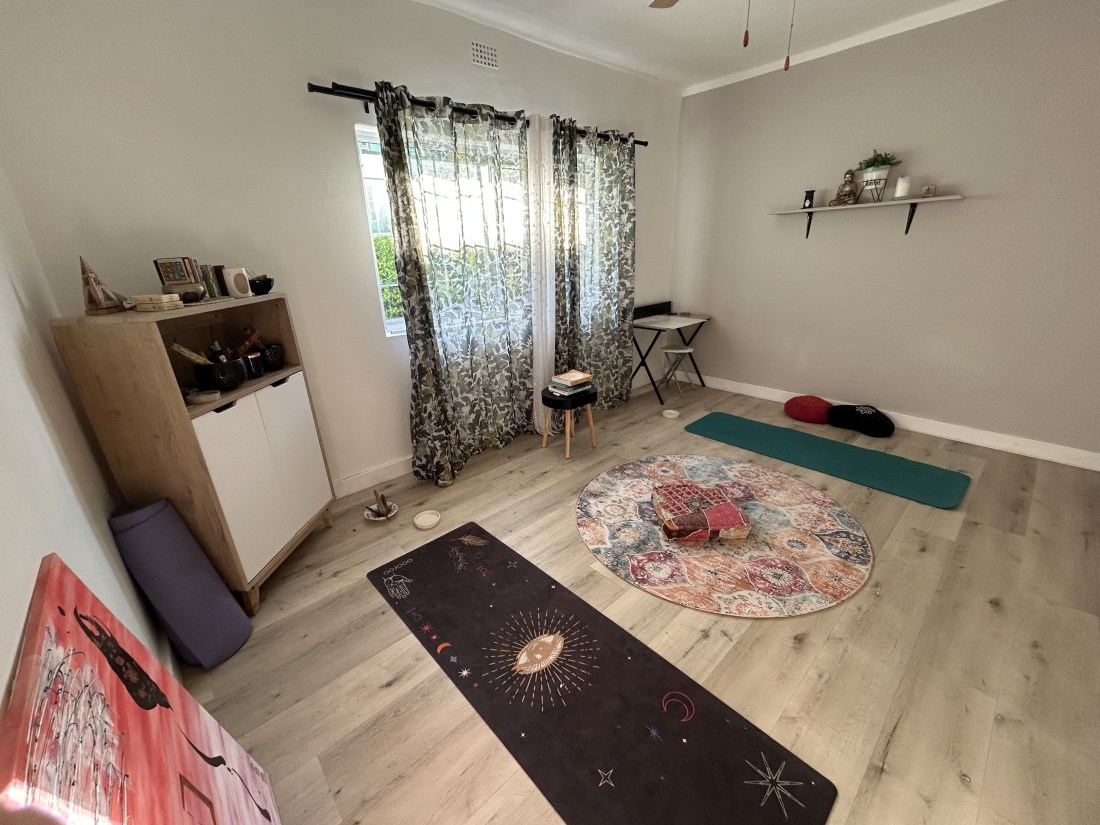
Therapy sessions are adapted to your needs. I work on a continuum from verbal therapy to body-based techniques. This holistic approach to therapy is suited to various mental health challenges, such as depression, anxiety, bipolar and personality challenges, as well as life transitions or spiritual searching. The work is trauma-informed and consciously focused on reducing power dynamics. I work out of a beautiful practice in Vredehoek, Cape Town, where we have the space to move between verbal and body-based work.

To enquire about therapy or book a session, contact Melissa: Whatsapp 0834129768 or email info@melissamcwalter.co.za


New frontiers in psychedelic therapy

As Ketamine becomes more mainstream, and organisations like SIPSA (Society of Interventionist Practitioners South Africa) are forming to potentially guide the use of psychedelic-assisted therapy, one has to realise that we are reaching a new era, where medicines (such as ketamine) that were previously thought to be damaging or innocuous, might in fact have some benefit.1 According to SIPSA’s constitution, one of their aims is:

“To promote the professional and legitimate interests of ketamine and
psychedelic treatments.”2

The growing interest in legal psychedelic treatments can be understood, as few medications offer the immediate relief for suicidal ideation than ketamine can3.

Other psychedelic treatments that are not legal in South Africa may not be on offer at healthcare establishments, but individuals are experimenting with them on their own4 and thus sometimes bringing the psychedelic experience into the therapy space. I have found through consulting the literature5 and my own experience that (without advocating for the use of such substances) creating a safe space where transparency is accessible, insights from psychedelic experiences on psilocybin (“magic mushrooms”) and MDMA can form an important part of the therapeutic process, if the client has chosen to have that experience on their own6.

To find out more, contact Melissa

  1. https://sipsa.org.za/wp-content/uploads/2024/06/SIPSA-CONSTITUTION-2024.pdf ↩︎
  2. https://sipsa.org.za/wp-content/uploads/2024/06/SIPSA-CONSTITUTION-2024.pdf ↩︎
  3. Ketamine for the acute treatment of severe suicidal ideation: double blind, randomised placebo controlled trial
    BMJ 2022; 376 doi: https://doi.org/10.1136/bmj-2021-067194 (Published 02 February 2022) ↩︎
  4. Pilecki, B., Luoma, J.B., Bathje, G.J. et al. Ethical and legal issues in psychedelic harm reduction and integration therapy. Harm Reduct J 18, 40 (2021). https://doi.org/10.1186/s12954-021-00489-1 ↩︎
  5. Front. Psychol., 15 March 2021 Sec. Psychopathology Volume 12 – 2021 | https://doi.org/10.3389/fpsyg.2021.645246 ↩︎
  6. Front. Psychol., 15 March 2021 Sec. Psychopathology Volume 12 – 2021 | https://doi.org/10.3389/fpsyg.2021.645246 ↩︎

An alternative to traditional talk therapy

Many of my clients benefit from a more traditional talk therapy process and I encourage this. However, us humans are unique and may need to be met in ways that are not conventional.

Coming from an arts therapy background, I incorporate different ways of working, both verbal and non-verbal.

Oftentimes, traditional talk therapy is highly effective, but no one size fits all. There are alternative options for therapy.

If you are looking to work or process material in a way that is not the usual, with a strong emphasis on lowering any power dynamics and an appropriately reciprocal, authentic relationship, this might very well be for you.

Contact Melissa at info@melissamcwalter.co.za or via WhatsApp 0834129768.

The Hero’s Journey

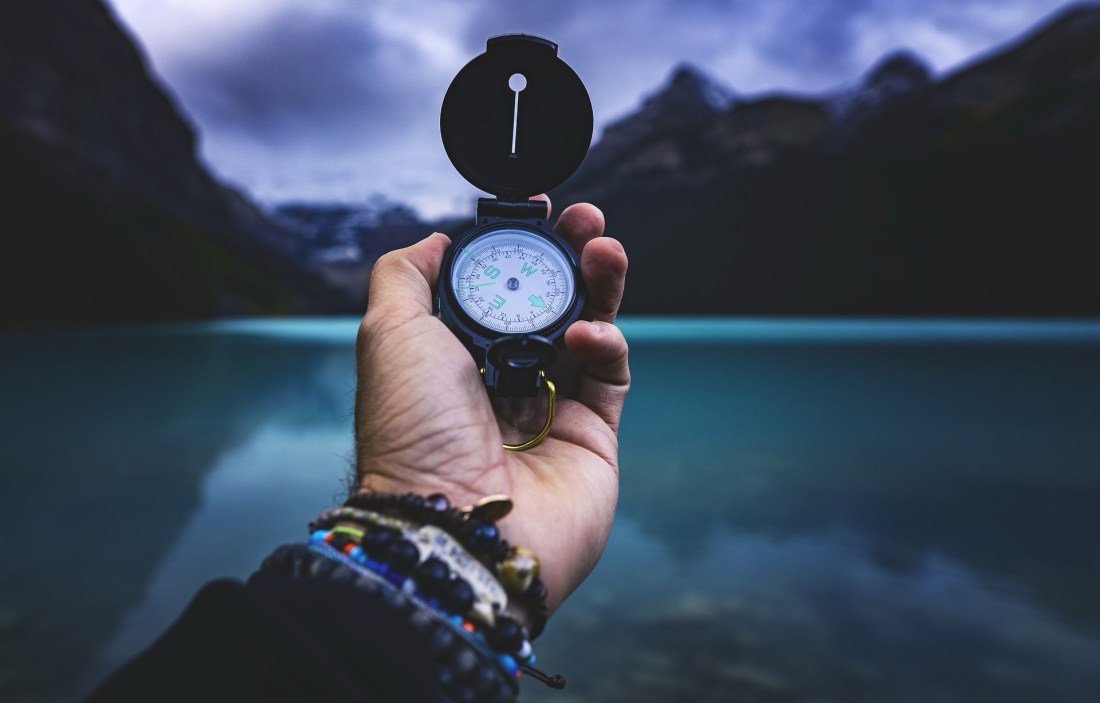
Joseph Campbell’s work elucidating the ‘Monomyth’, the journey that each human travels, informs a great deal of how I approach therapy.

The Hero’s Journey shows us how each of us are called to adventure from our place of comfort. Sometimes this can be an unexpected or even disturbing call. It is normal for the individual to refuse the call for various reasons. It may seem too hard, they may have obligations, they may be afraid or not trust themselves to carry through.

At this point, some form of “supernatural aid” appears, maybe in a dream, a therapist, a connection made, and this allows the hero to move from refusing the call to standing on the threshold of what is known, and what is not known.

This can be a scary place and it takes courage to delve into the darkness, a place which is unconscious and holds trials as well as riches.

Navigating the unknown, we face darkness and light, newness and old stories, confrontation with that which hold the greatest power over us as well as the reward of facing the supreme ordeal.

We come back to the known world with more wisdom, clarity and insight. We become the master of two worlds and our resilience allows us the freedom to live, to reach for what we want in life.

We all travel this journey on the large scale of our lives, as well as daily and within our relationships with others and ourselves.

If you feel that you are being called to adventure, contact Melissa for a consultation and see if you are ready to journey into the unknown.

Info@melissamcwalter.co.za

WhatsApp: 0834129768

9 Reasons Why People Seek Out Alternative Therapies

“I have been to so many different therapists, psychologists and helpers but I have not found what I need.”

“I haven’t found anyone that I can really connect with.”

“I need to connect with a real person, not a blank face.”

“I don’t feel like I can relate to my therapist.”

“I don’t want to blindly follow a conventional medicine model, but I also don’t want to ignore important medical advice.”

“Traditional therapy is just not working for me.”

“I am desperate for my mental health or my child’s mental health to improve, and nothing seems to be working.”

“I’ve tried everything.”

“Just simply talking isn’t helping me.”

These are some of the most common reasons my clients look for alternative therapies, and often why they come to me. I highly value the fields of psychology and psychiatry, which is why I work collaboratively with other professionals. However, traditional therapy approaches are not for everyone.

Sometimes, people need a different approach in order to feel seen and heard. The traditional therapy models tend to allow less transparency, real-ness and openness from the therapist, with the focus remaining exclusively on the client. This works really well for many people.

For others, the core element of safety in therapy can only be found in an imperfect, somewhat irreverent approach that allows relationship and connection to unfold between two real human beings. I bring a valuable expertise to the relationship pertaining to the areas of therapy and skills I offer; however, I am not an expert on life. This is a journey we undertake together. The relationship we form is the vehicle for growth and healing.

The integrative nature of this approach means that we may use talking, music, art, movement, trauma-informed yoga, breathwork, lifestyle modification, creative process, symbol work, nature, writing and/or mindfulness in a way that feels safe and appropriate for you.

I like to take 1 – 3 sessions to get to know you and to allow you to get to know me. From there, we can decide whether we would like to work together and if I could be helpful.

If you are interested in integrative therapy, an alternative approach, please contact Melissa by clicking here

Grinding Into The Pain

Embracing Pain

What happens when Pain visits a little too often, a little too long? Like an obnoxious guest who overstays her welcome, talking and talking without listening, eating and eating without offering. Well perhaps this is uncomfortable, but just bearable. After all, it is not all that uncommon. And then perhaps, what if Pain decides to visit a great deal too often and a great deal too long? What if the visitor decides not to leave? What if the talking and the eating just don’t stop – on and on and on. What are we to do then? What happens when we are held hostage?

Do we have any control over pain’s inevitable and suffocating visitations? According to the Stoic Epictetus,

Some things are in our control, while others are not. We control our opinion, choice, desire, aversion, and, in a word, everything of our own doing. We don’t control our body, property, reputation, position, and, in a word, everything not of our own doing. Even more, the things in our control are by nature free, unhindered and unobstructed, while those not in our control are weak, slavish, can be hindered, and are not our own.

Epictetus, Enchiridion, 1.1-2

The pain of loss, grief, depression, neurochemistry, external events such as motor car accidents and more – these are not in our control. This may be disheartening or even crushing when fully realised. Why am I forced to sit by while Pain visits the full reign of hell upon me? Why am I not allowed to eject Pain, to revoke visitation rights? How can I escape? Why am I not even permitted to escape my own home with what little I have left? This is a brutal invasion!

As the Stoic relates, the sense of control sought in our bitter fight against Pain is won in our thinking, our choices and our exposure to that which will help us reframe our attitude toward our relationship with pain. Ultimately, our gains are made in our own relationship with and to pain. To those experiencing true, unadulterated suffering, this idea may be received as trite or it may even be impossible to imagine. However, even where chronic mental, emotional or physical pain are involved, the ‘Enemy’ that is Pain can change into something new, something more approachable, something we can negotiate with and engage with in a more balanced relationship. Pain does not have to remain the Enemy, it can become the Teacher, the Healer, even the Beatific Vision. Never losing it’s identity as Pain, and never lessening or coming under our control, Pain’s visits – even those long, excruciating and seemingly never-ceasing visits, can be experienced differently, without fear and without loss of control. The transformation and growth, even healing, that Pain can bring – if we let it – is illustrated in the lines below.

What is pain but a reminder that we are

grinding into the ground

flung into the fight

grating against the wound

slicing into the light

walking the two worlds

lost in daylight, found in night

taking the clean medicine

gaining vision, losing sight.

There are practical steps to forging this new relationship with pain. These really depend on the individual, but in general it is not an overnight process. Meditative practices, including mindfulness techniques and yoga help many. Exercise and diet/nutrition – as insufficient as that seems in the face of enormous pain – can play a large role in re-negotiating your relationship with Pain. Broadly, relationships, spirituality, talking, creating, music, nature and stillness are all ways to explore this different way of relating to Pain.

I wish you well on your journey. For more information on renegotiating your relationship with Pain, contact me by clicking here.